Identifying models and co-creating solutions to promote the agroecological transition across Europe
Territorial AgroEcological Living Labs aims to identify models, co-design and co-create solutions to support the agroecological transition while respecting the diversity and specific needs of different European territories.
The project is grounded in assemblage theory and adopts a transversal and transdisciplinary co-design approach throughout all stages of its development. TAELabs seeks to develop adaptable models that can be applied across diverse European contexts by actively involving local actors and stakeholders, including farmers and farmers' associations, public authorities, non-governmental organisations and consumers.
The project addresses the agroecological transition through three interrelated dimensions: ecological and biophysical systems, socio-economic dynamics, and collaborative governance and food policy frameworks.
taelabs@csic.es
Añada su imagen aquí
Our Aim
To co-create through transdisciplinary research and territorial multi-actor participation, a
comprehensive and globally oriented approach to Living Labs to promote landscape level agroecological
transitions, that is at the same time place-based and context-sensitive.
Consortium Structure
A list of the project consortium's member institutions, their short names, and the contact details of
the principal investigator for each research center.
No.
Participant organization name
Short name
Contact e-mail
1
Spanish National Research Council, Institute for Economics, Geography and Demography
TAELabs is part of the first Agroecology Partnership call, which aimed to promote the transition to agroecology by funding research and innovation projects that address global challenges and social demands. The AGROECOLOGY Partnership, funded by Horizon Europe, unites the European Commission and 111 partners across 31 Member States, Associated Countries, and Third Countries. The Partnership will support an agriculture sector that is fit to meet the targets and challenges of climate change, biodiversity loss, food security and sovereignty, and the environment, while ensuring a profitable and attractive activity for farmers. https://www.agroecologypartnership.eu/en/
TAELabs Profile & Approach
TAELabs will be real-life settings in which agroecological transition will be co-designed and adapted
to each territory and implemented and evaluated. Assemblage theory will be the central approach to
linking the participatory knowledge generated and developing new, creative ways of approaching and
transforming the shared reality of local stakeholders. Assemblage theory is an agency theory that views
the capacity to act as being intertwined with complex and ever-changing socio-material interdependencies.
It offers conceptual guidance on forming collaborative networks (assemblages), in which human and
non-human actors can co-produce knowledge and ultimately steer their co-becoming in transformative ways.
Different participatory and co-design tools will be used in the living labs to assess initial
conditions, develop innovation pathways, and evaluate new technologies and solutions to problems
identified and prioritised by local actors.
Vision & Mission
The main outcomes of TAELabs will be:
to contribute to the definition and set up of Territorial Agroecology Living Labs (WP1 and 2);
to operationalise and simplify set of quantitative indicators and qualitative criteria to support designing and monitoring Territorial Agroecological Living Labs (WP2);
to co-design a methodology for both promoting and assessing multi-actor and multi-level, participatory processes for agroecological transitions through TAELabs, with particular focus on the definition of the profile of Local Agroecological Facilitator (WP2 and 5);
to improve the ecological and economic performance of European farms by assessing and refining different farming practices at the landscape level (WP3);
to improve both the collective forms of fringe profiles of farmers to self-organize for local marketing activities, and the socio-economic performance (and efficiency) of the local food value chains in different European fringe territories (WP4);
to improve specific policy and governance recommendations to promote agroecological transitions, addressing to municipal, regional, national and European scales of competencies (WP4 and 5).
Work Packages (WPs)
The three-year project is organized in a total of 6 work packages (WP), each WP with a specific objective.
WP1- Developing the boundaries of TAELabs and the pathways for them to boost agroecological transitions;
WP2- Developing methodologies to promote, facilitate and assess the performance of TAELabs;
WP3- Assessing how actors involved in the TAELabs (and beyond) perceive and relate to their landscape, and co-designing landscape management for the agroecological transition;
WP4- Assessing the collective forms of organization and physical infrastructures, and assemblages between them and multi-level policies, needed to enhance agroecological transitions in a given territory;
WP5- enable knowledge-policy interfaces to co-create multi-level policy and territorial planning frameworks, based on different types of knowledge, resources, and actors;
WP6- Managing the consortium.
Key Concepts
A Living Lab is an open innovation space that focuses on co-creation and aims to develop solutions
through collaboration in real-world environments. The innovation processes for products and services are
developed simultaneously and at the same level by researchers, professionals, institutions and citizens.
These stakeholders work collectively to develop useful solutions that create and contribute value.
Living Labs are based on the principles of participatory action research, emphasising active
participation, knowledge democracy, education, empowerment, gender perspective and action. Living Labs
are distinguished by their inclusion of the community, seeking to incorporate the lived experience of
the intended stakeholders by using collaborative design tools. Thus, the innovation proposed and
promoted by Living Labs is based on co-creation and participation. This approach enables solutions to be
created and implemented in real-world contexts, rather than solely in laboratories or institutions or
based solely on the experience of professional researchers. The laboratory where proposals, strategies
and solutions are developed is within the community. Ultimately, the aim is to create environments that
encourage new ways of functioning.
Living Labs Description
Madrid (Spain)
Name: Unión de Huertas Agroecológicas de Madrid (UHAM).
Type of organisation: Organic farmers' Association of the Region of Madrid (CAM) that includes 5 different projects. They started (as legal form in 2020) as a community property company and have now become a legal form of agrarian transformation company in 2026.
Linked organizations: other local farmers, local organic food retailers and different farmers' cooperatives and local associations, also training centers and producer groups from other areas of Spain, food coops in Madrid, and local grassroots organisations.
Geographical area: Region of Madrid (179 municipalities, 7M inhab.), where only 9% of the population lives in rural areas.
Urban-rural relationship: motor group composed by local organic farmers based in peri-urban and rural areas of the Region. Most of the auxiliary activities are carried out within the urban area.
Objectives:
Dignify agricultural work (i.e. 'work less and earn more').
Recover and enhance the value of local agri-food production systems and resources.
Create bridges between urban and rural municipalities.
Improve organic production and processing, and promote its consumption.
Improve short distribution channels and support small local businesses.
Defend workers' rights and ensure that all social groups have access to local, quality food.
Raise awareness of the benefits and values of agroecology among the entire population.
Develop a system that adequately manages waste and residues.
Promote a transition towards healthier, more sustainable diets.
Daily activities: Joint marketing and coordination of products and orders (e.g., plants), representation in administrative entities, participating in governance processes and structures around Madrid City Region's food system.
Linked organizations: Rome Food Council, local producers, social cooperatives, biodistricts.
Geographical area: Municipality of Rome and its metropolitan area (121 municipalities and 4,4M inhab.).
Urban-rural relationship: Action Group composed by local farmers and social cooperatives based in peri-urban and rural areas surrounding the city. Most of the activities carried out within the urban area.
Objectives:
Strengthen local food policies and their connection with territorial contexts.
Foster sustainable production at the territorial scale.
Raise self-awareness among farmers and other value-chain stakeholders of the importance of their role, and address power imbalances.
Promote the integration of social, cultural, and environmental values into local food chains.
Building critical and problem-solving skills on agroecological farming practices.
Connect local food system actors, promoting innovative expanded value-chains, food governance, and raising public awareness of food practices and policies.
Daily activities: organization of participatory activities (workshops, farm visits), seminars, open days.
Previous project/s: BIOPAC, PERILBIO (National projects funded by the Ministry of agriculture), SOMMIT (EJP soil project).
Funding: projects (e.g. AGROFORESTEAM).
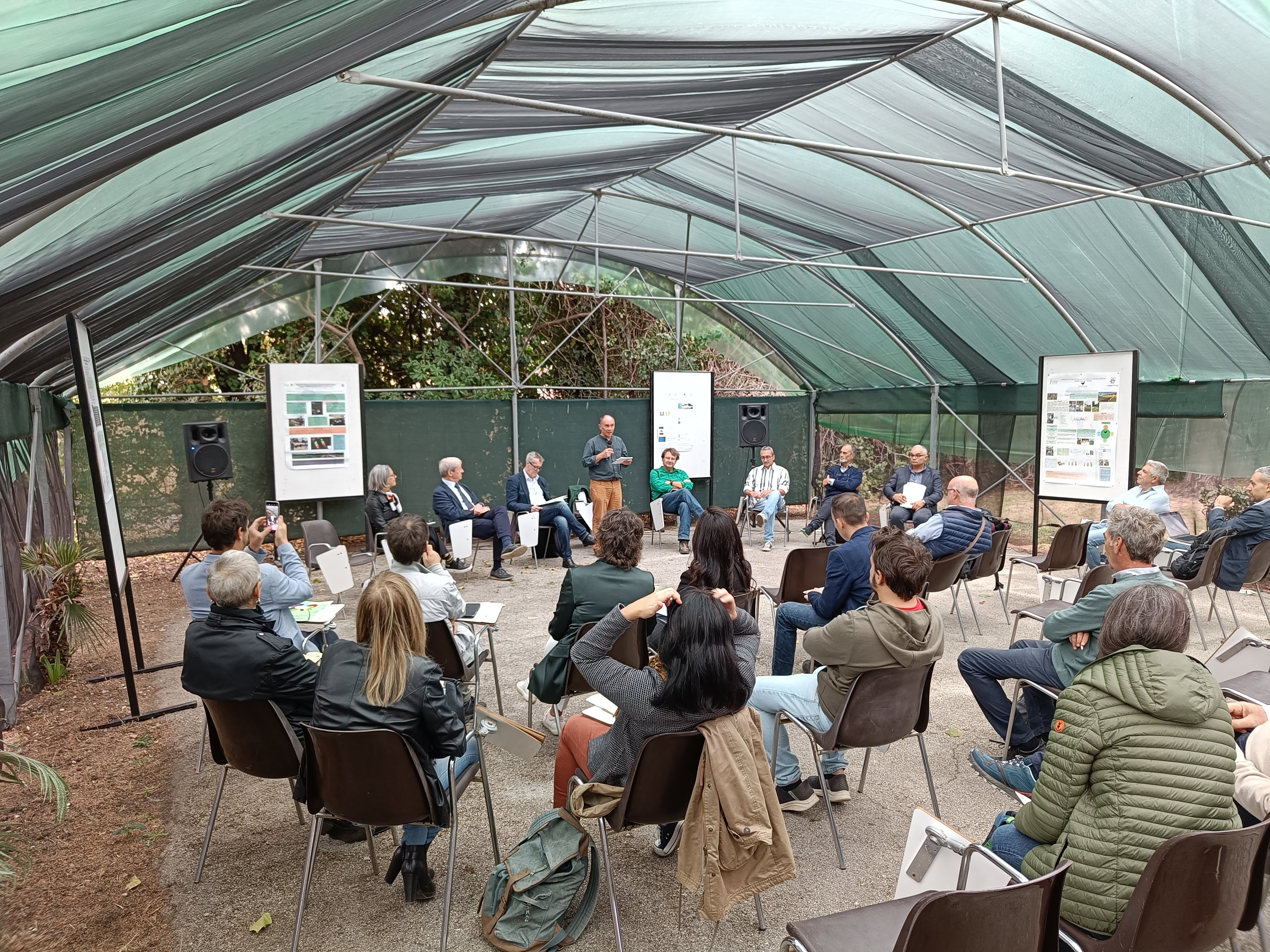
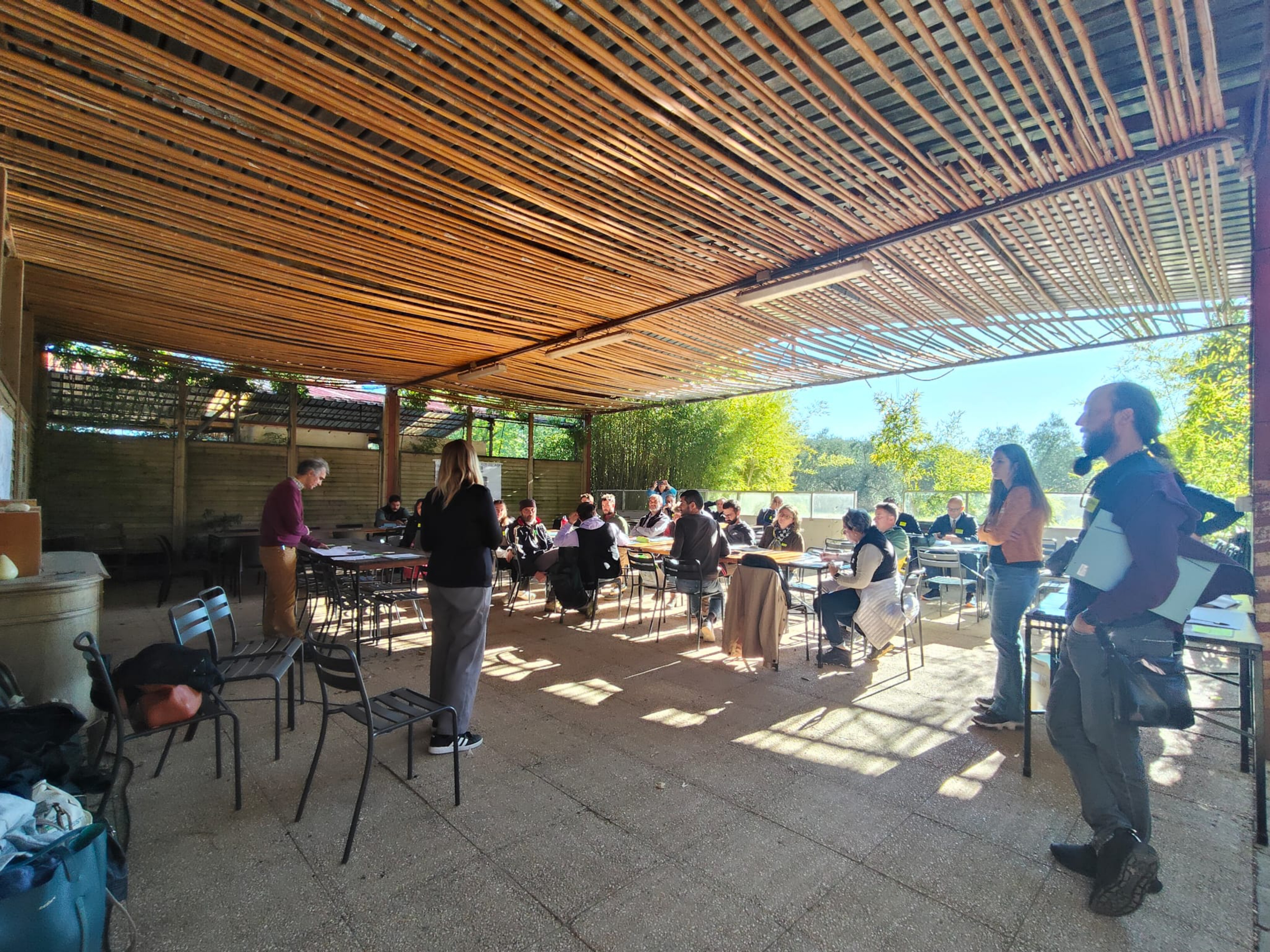
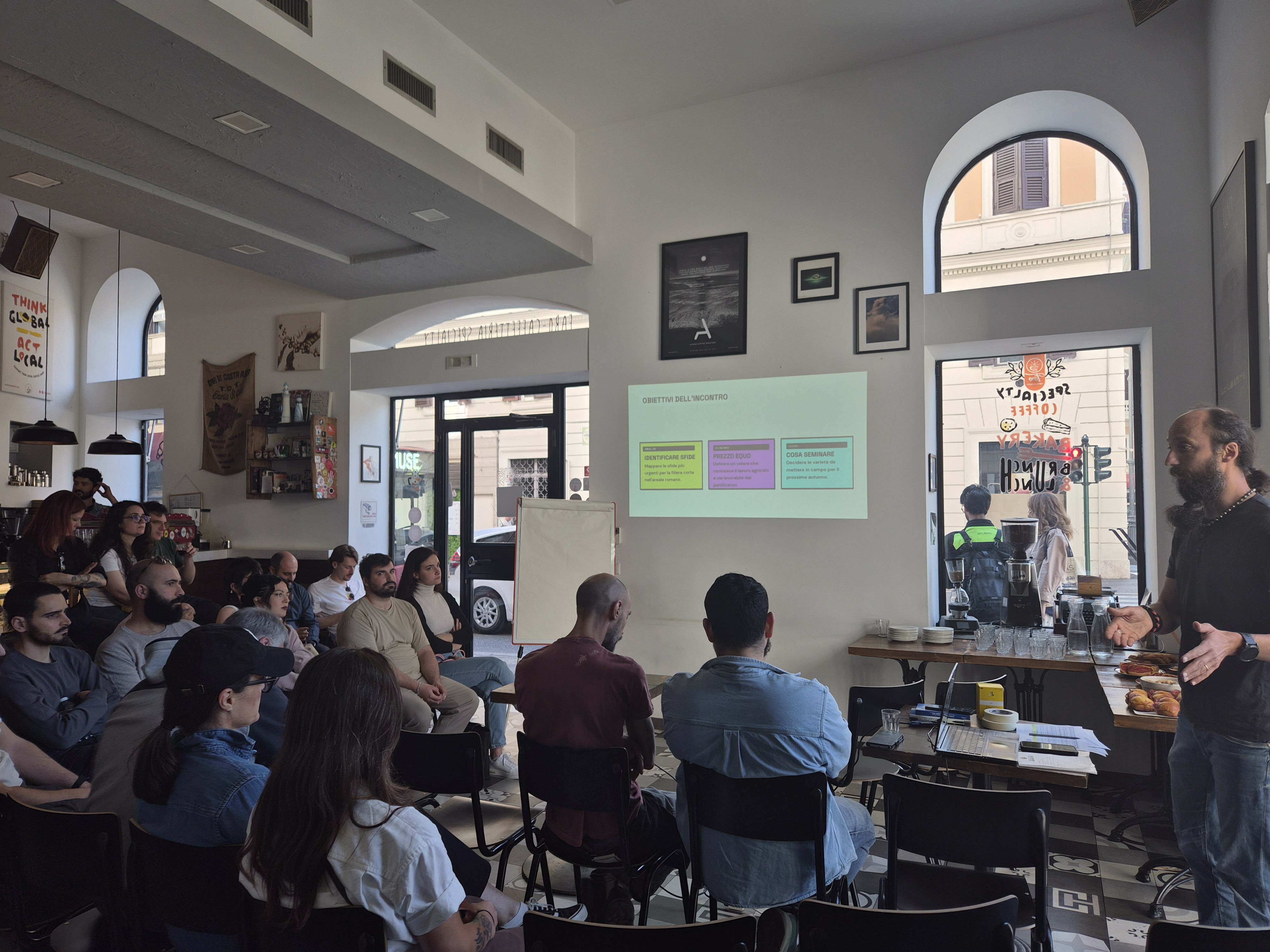
Workshops held by CREA AA and FIRAB in Rome with various stakeholders
Researchers and local institutions.Researchers and farmers.Researchers and bakers.
Bornholm (Denmark)
Name: Hammersly.
Type of organisation: Organic Farm / Agroecological Lighthouse.
Sparring partner within TAELabs: Aarhus University.
Linked organizations: Association Andelsgaarde, Association ØkoBornholm.
Geographical area: Rutsker, Bornholm, Denmark (island of ~40,000 inhabitants in the Baltic Sea).
Urban-rural relationship: Hammersly is located in a rural area of Bornholm and serves as a bridge between rural food production and consumers across the island. Through its CSA scheme, farm shop, partnerships with restaurants, and educational activities, the farm connects people in both rural areas and urban centres such as Rønne with locally grown food and agroecological farming practices.
Objectives:
Apply and demonstrate agroecological farming practices that enhance soil health, biodiversity, and ecosystem resilience.
Strengthen local food systems by producing organic vegetables and supplying directly to consumers and local restaurants.
Promote food sovereignty and resilience on Bornholm through local production and collaboration.
Foster community engagement and awareness around sustainable food production through CSA, farm visits, and events.
Contribute to knowledge sharing and education in agroecology by hosting students, researchers, and volunteers.
Daily activities:
- Hammersly: CSA initiative, workshops, educational activities, farm visits, communal meals, and biodiversity projects.
- Association Økobornholm: conversations about Bornholm’s food system, the flyer mapping organic producers, and the yearly organic market.
Previous project/s: Emerging member of the European Network of Agroecology LLs and Ris.
Funding: Funded through vegetable sales (CSA, farm shop and restaurants), events, partnership with the association Andelsgaarde, and project-based grants.
Prignitz/Brandenburg (Germany)
Name: Prignitz Living Lab
Type of organisation: Local farmers and social cooperatives
Website: www.zalf.de
Sparring partner within TAELabs: ZALF.
Linked organisations: The FbU (Förderverein bäuerliche Umwelt e.V.) is a farmers' association newly founded in 2025 that is active in the areas of environmental protection and nature conservation, education, and the promotion of research and science. It is the regional partner organisation of the AbL Nordost, operating in the Federal States of Brandenburg, Mecklenburg-Vorpommern, and Berlin. AbL Nordost is the German partner within the European Confederation la Vía Campesina (https://www.abl-ev.de/start). FbU also collaborates with local farmers, local organic food retailers and different social cooperatives and associations.
Geographical area: Federal state of Brandenburg, Germany (including the county Prignitz with 26 municipalities. Low population density and least developed county in Germany). Within TAELabs, the LL will focus on Prignitz territory.
Urban-rural relationship: The Prignitz county is not well connected to the capital city of Berlin, which is at the geographical center of Brandenburg. Most farms in Prignitz are big enterprises and big field plots. There are fewer small and/or organically certified farms. Most activities are carried out within the region and products are exported nationally/internationally.
Objectives:
Strengthen collaboration among farmers and other actors in the regional agri-food system (e.g. fostering food councils and initiatives on access to land).
Involve/attract actors from civil society and neighbourhoods (e.g. kindergartens).
Discuss and decide on specific objectives with the actors through a bottom-up process.
Strengthen regional collaboration (e.g. with Oko-Modellregion Prignitz-Ruppiner Land), as well as international collaboration, and exchange.
Exchange with other TAELabs regions/labs.
Improve local food supply chains.
Daily activities: newly founded, activities to be determined.
Funding: For TAELabs, the FbU is funded by ZALF, regulated by a subcontract between FbU and ZALF.
Local initiatives and farms in the Prignitz Living Lab
The Prignitz Living Lab brings together farmers, gardeners, seed producers and agroforestry practitioners working to strengthen regional food systems, biodiversity and climate adaptation.
Keimzelle
Keimzelle was founded by Eve Bubenik and Winni Brand to preserve and propagate old and rare crop varieties. Cultivation takes place exclusively in open fields to promote robustness and regionality. Their farm lies about 70 km northwest of Berlin on the edge of the Rhinluch. They manage 5.2 hectares, including 7,000 square metres of demonstration and seed garden. The sandy soils, early and late night frosts and low precipitation make the site a valuable setting for resilient seed production.
Keimzelle wurde von Eve Bubenik und Winni Brand gegründet, um alte und seltene Kulturpflanzen zu erhalten und zu vermehren. Der Anbau erfolgt ausschließlich im Freiland, um Robustheit und Regionalität zu fördern. Der Hof liegt etwa 70 km nordwestlich von Berlin am Rand des Rhinluchs. Insgesamt werden 5,2 Hektar bewirtschaftet, davon 7.000 Quadratmeter als Schau- und Saatgutgarten. Die sandigen Böden, frühe und späte Nachtfröste sowie die geringen Niederschläge machen den Standort wertvoll für eine widerstandsfähige Saatgutproduktion.
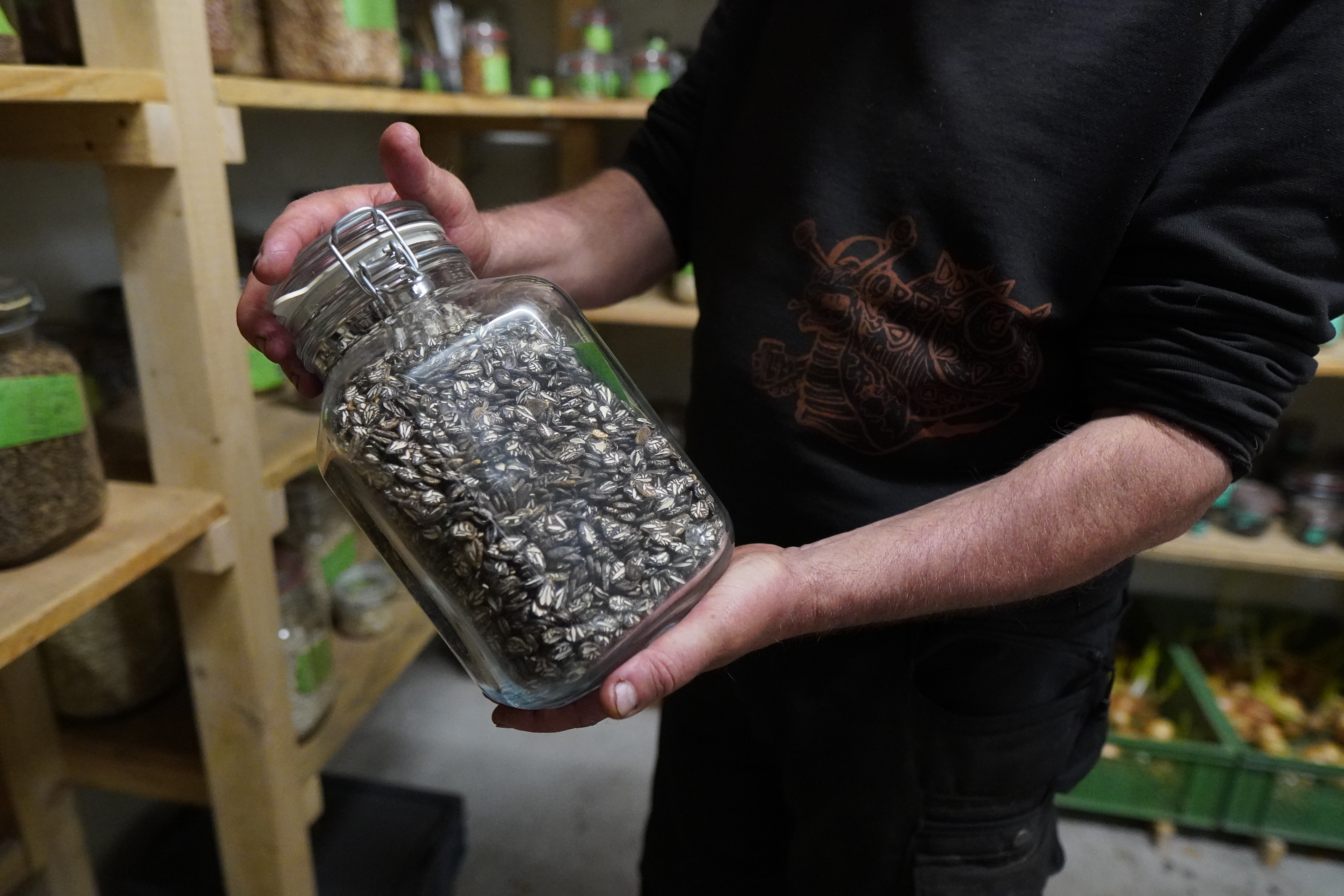
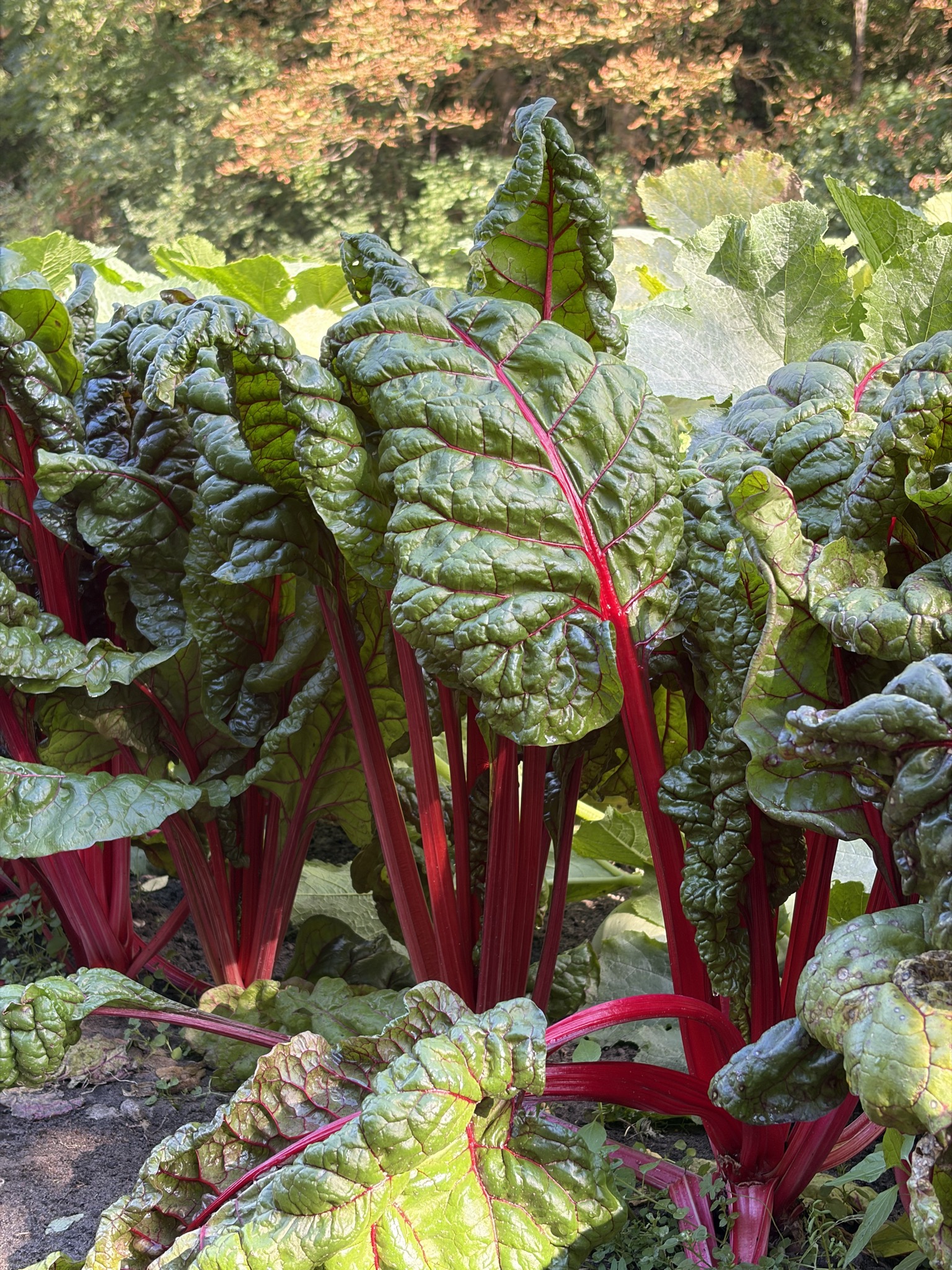
Keimzelle: seeds of rare crop varieties.Keimzelle: Swiss chard leaves growing in the garden.
Gemüslichkeit
Gemüslichkeit is a collective of gardeners, young farmers, cheesemakers and volunteers in Groß Linde near Perleberg. They grow more than 60 vegetable crops for their members and distribute the harvest through pickup stations. Their community-supported agriculture model combines regenerative farming, minimal tillage, mulching, continuous root cover and crop diversification. By sharing the costs of fair and transparent production, the collective makes diverse small-scale farming financially viable.
Gemüslichkeit ist ein Kollektiv aus Gärtnerinnen und Gärtnern, Junglandwirtinnen und Junglandwirten, Käserinnen und Käsern sowie Ehrenamtlichen in Groß Linde bei Perleberg. Für die Mitglieder werden mehr als 60 verschiedene Gemüsekulturen angebaut und über Abholstationen verteilt. Das Modell der solidarischen Landwirtschaft verbindet regenerative Landwirtschaft, wenig Bodenbearbeitung, Mulchsysteme, eine ständige Durchwurzelung des Bodens und eine vielfältige Fruchtfolge. Durch die solidarische Verteilung der Kosten einer fairen und transparenten Produktion macht das Kollektiv vielfältigen kleinbäuerlichen Anbau finanzierbar.
BaumFeldWerk
BaumFeldWerk is a startup agroforestry nursery founded by Kai Lehmann and Jana Werner. It grows site-adapted, peat-free organic trees and woody plants for agroforestry systems. Trees, shrubs, perennials and herbs can improve soil, strengthen water retention, support soil organisms and increase biodiversity. The nursery contributes to climate adaptation and species protection across arable land, grassland and forests in the Prignitz region.
BaumFeldWerk ist eine von Kai Lehmann und Jana Werner gegründete Start-up-Agroforstbaumschule. Sie zieht standortangepasste, torffreie Bio-Bäume und Gehölze für Agroforstsysteme heran. Bäume, Sträucher, Stauden und Kräuter können den Boden verbessern, die Wasserspeicherung stärken, Bodenorganismen fördern und die Artenvielfalt erhöhen. Die Baumschule leistet in der Prignitz einen Beitrag zur Klimaanpassung und zum Schutz der Artenvielfalt auf Ackerflächen, im Grünland und im Wald.
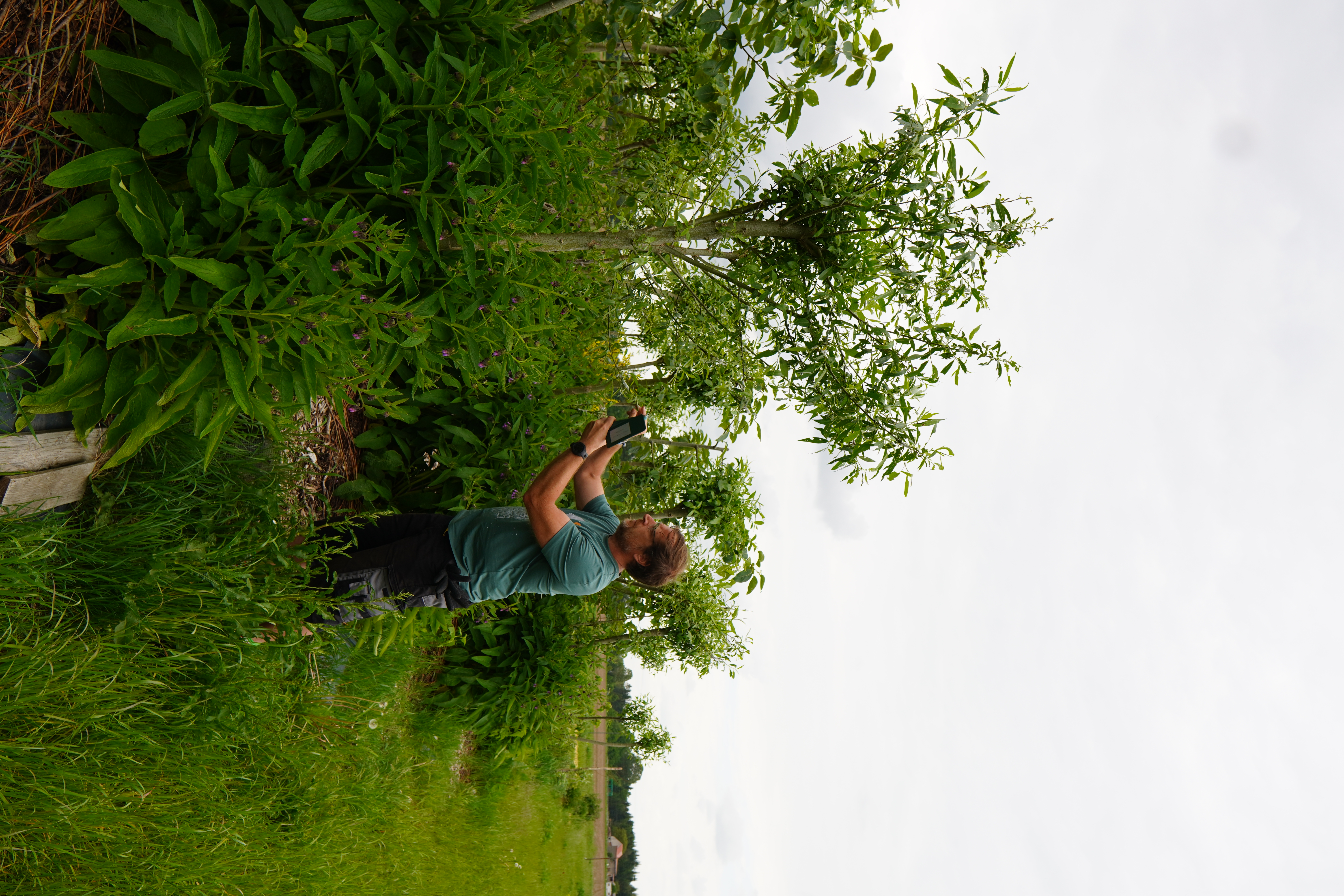
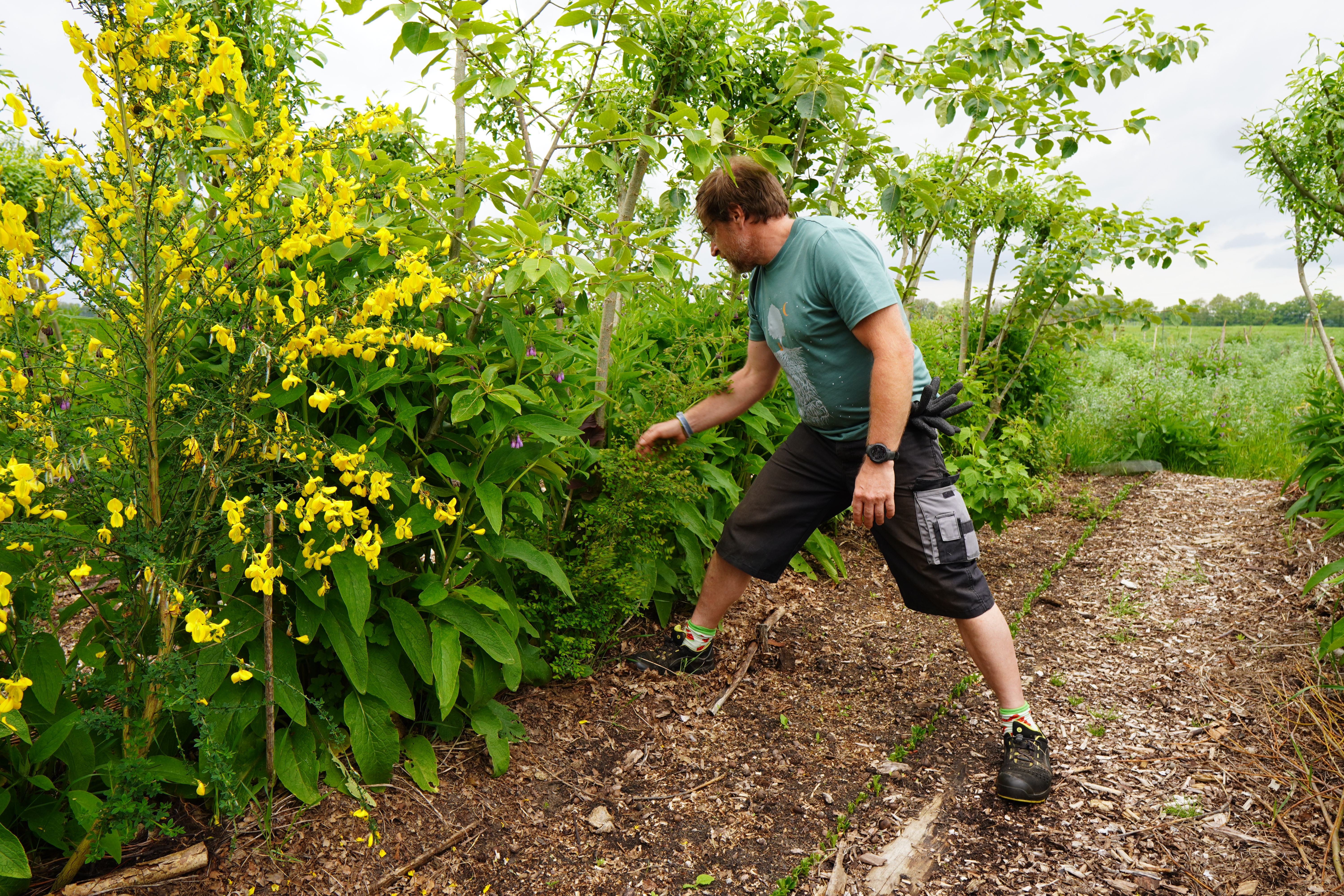
BaumFeldWerk: site-adapted trees for agroforestry systems.BaumFeldWerk: trees and shrubs supporting climate adaptation.
Biohof Sonnenberg
When Christoph Sonnenberg took over his family farm, he decided to continue it sustainably. In 2014 he converted the farm to organic production and added certification under the Biopark standards. The farm keeps around 300 pigs and 120 cattle. Cattle graze year-round and are fed with farm-grown feed, while pigs have regular access to the outdoors. Animal welfare is central to the farm's production and products.
Als Christoph Sonnenberg den elterlichen Landwirtschaftsbetrieb übernahm, entschied er sich für eine nachhaltige Weiterführung. Im Jahr 2014 stellte er den Betrieb auf ökologische Landwirtschaft um und ließ ihn zusätzlich nach den Biopark-Richtlinien zertifizieren. Heute hält der Hof etwa 300 Schweine und 120 Rinder. Die Rinder sind ganzjährig auf der Weide und werden ausschließlich mit hofeigenem Futter versorgt, während die Schweine regelmäßig Zugang zum Freien haben. Das Tierwohl steht bei der Produktion und den Produkten des Hofes im Mittelpunkt.
Hof Düpow
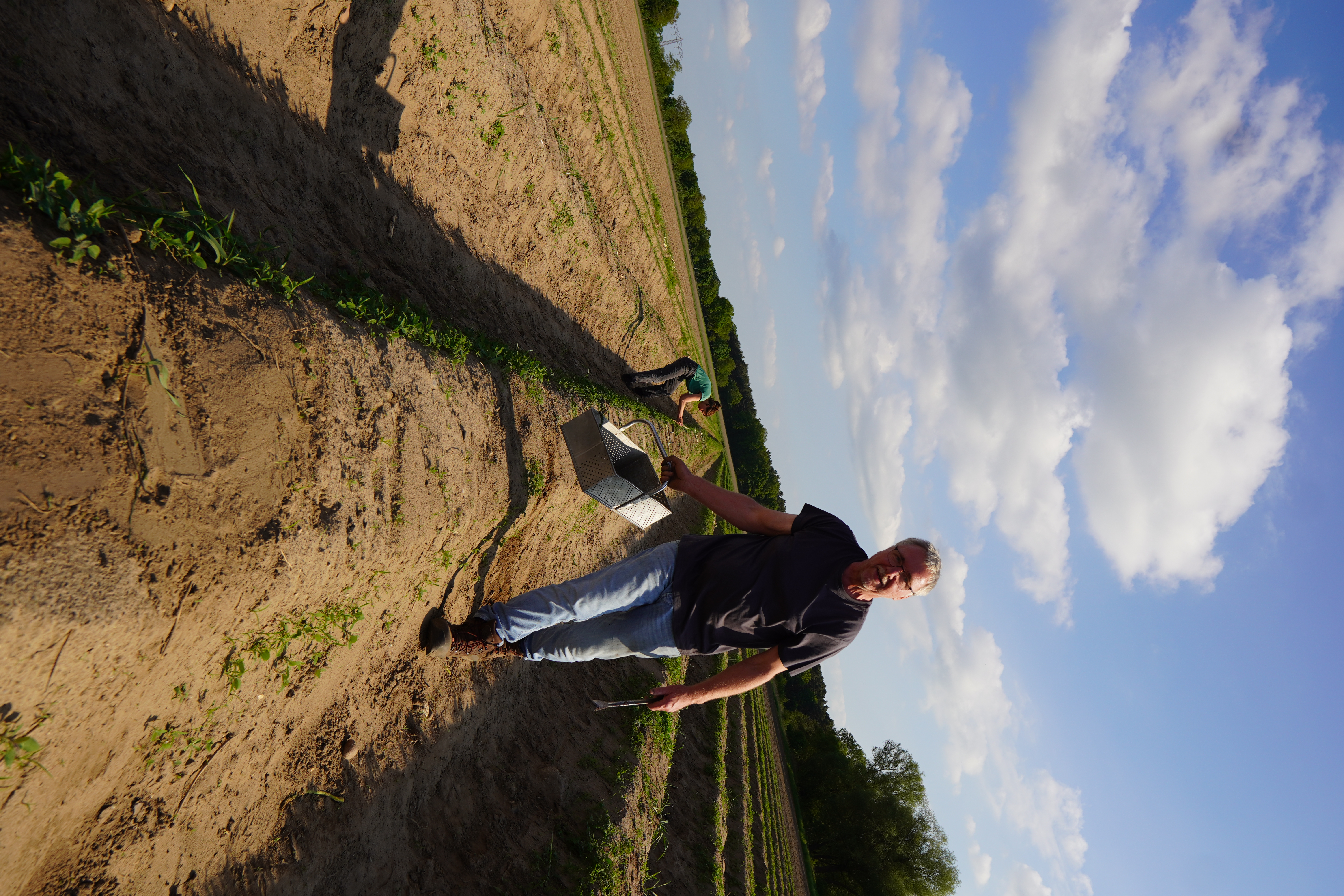
Hof Düpow, founded by farmer Reiner Guhl near Perleberg, is a crop farm covering approximately 600 hectares. It grows grains, rapeseed, starch potatoes, sugar beet and maize, as well as asparagus for direct sales. Reiner Guhl is a pioneer of agroforestry in Brandenburg: between 2020 and 2024 he planted 12.5 hectares of poplar strips between his crops. These trees slow drying summer winds across 150 hectares of agroforestry land and help improve crop yields.
Der von Landwirt Reiner Guhl gegründete Hof Düpow bei Perleberg ist ein Ackerbaubetrieb mit etwa 600 Hektar. Angebaut werden Getreide, Raps, Stärkekartoffeln, Zuckerrüben und Mais sowie Spargel für die Direktvermarktung. Reiner Guhl ist ein Agroforst-Pionier in Brandenburg: Zwischen 2020 und 2024 legte er 12,5 Hektar Pappelstreifen zwischen seinen Ackerkulturen an. Diese Bäume bremsen die austrocknenden Sommerwinde auf 150 Hektar Agroforstfläche und tragen zu höheren Erträgen bei.
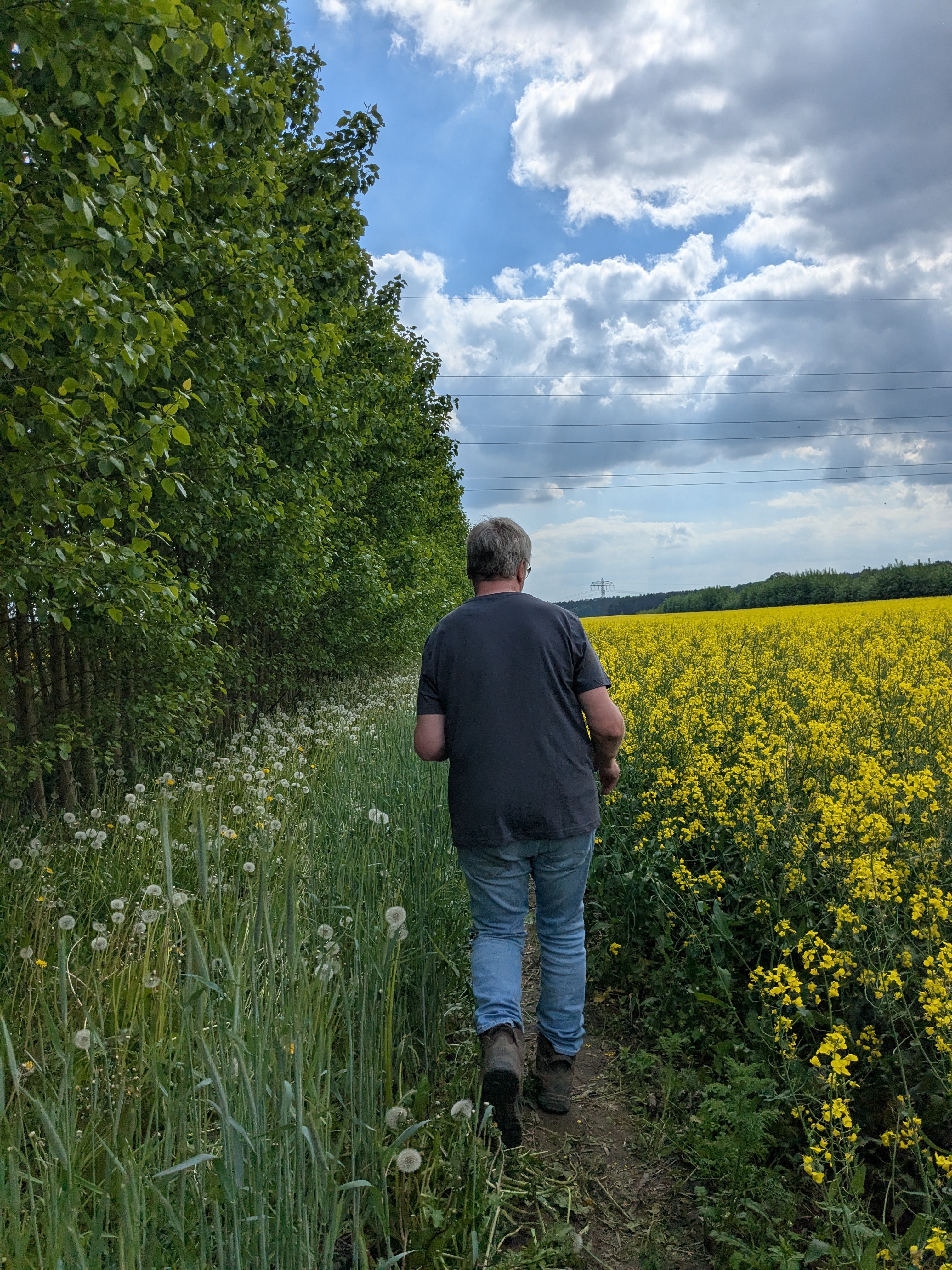
Hof Düpow: agroforestry strips integrated into arable fields.Hof Düpow: Reiner Guhl on his asparagus field
Sörmland (Sweden)
Name: Bio-district Sörmland.
Type of organisation: Not-for-profit organisation.
Sparring partners within TAELabs: Stockholm Resilience Centre - Stockholm University.
Linked organizations: Bio-district Sörmland is a not-for-profit organisation that brings together both public and private agri-food actors, with representatives from municipalities, civil society organisations and farmers on the board of the organisation. It also cooperates more broadly with other agri-food organisations in the region, such as Ekologiska Lantbrukarna (organic farmers organisation).
Geographical area: Bio-district Sörmland covers the administrative area known historically as the Sörmland landscape. Following the historical delineation of the Sörmland landscape, the district encompasses two administratively distinct counties and their resident municipalities, namely the southern part of Stockholm County (with 12 municipalities) and Sörmland County (with 9 municipalities). Lake Malaren caps the north of the region and the forests of Kolmarden frame the south. The region is characterised by mosaic landscapes with a dominance of forestry. Agriculture is dominated by grain and grass production in the region.
Urban-rural relationship: Bio-district Sörmland is located southwest of the Swedish capital city of Stockholm, and as mentioned above, encompasses the southern part of Stockholm County. It is therefore an agricultural region on the fringe of a major urban area that is home to a significant portion of the Swedish population. Further, Bio-district Sörmland has close cooperation with a number of municipalities, including Sodertalje municipality, and works actively with bridging urban-rural relations.
Objectives:
Recover and enhance value of local agri-food production systems and resources.
Create bridges between municipalities of urban to rural environments.
Improve organic production and processing and promote its consumption.
Improve short distribution channels and small and medium size local businesses.
Promote sustainable livelihoods for food producers and access to local and quality food for all social groups.
Raise awareness of the entire population about the benefits and values of organic farming and agroecology.
Promote a transition towards a healthier and more sustainable diet.
DIGITAL.CSIC is the Spanish National Research Council's (CSIC) non-commercial institutional repository, where a wide variety of documents can be deposited. These include not only publications in publishers' and scientific journals, but also research data, scientific reports, technical reports, laboratory notebooks, blogs, videos, audio files, tables, popular science publications, interviews, images, maps, conference proceedings, posters, data management plans, websites, software, theses, and more.
THE ARTICULATION OF AGROECOLOGICAL PRODUCTION, a meeting organised by CALMAR (Madrid Region Food Council) focused on understanding the point of production in Madrid, identifying challenges and improving the articulation between initiatives.